
Bush Medicine of the Islands
Living off the land was once critical to survival for early islanders. Bush medicine (using indigenous plants for medicinal purposes) introduced nature’s health remedies, many of which still exist in modern medicine.
St. John’s 7,000 acres are a unique mix of terrestrial and marine ecosystems. The best way to learn the healing secrets of the island is to get up close and personal. The National Park Service offers a guided hike along the Reef Bay Trail in which the rangers encourage hands on learning. More than 400 leaves in the Virgin Islands are known to have healing properties!
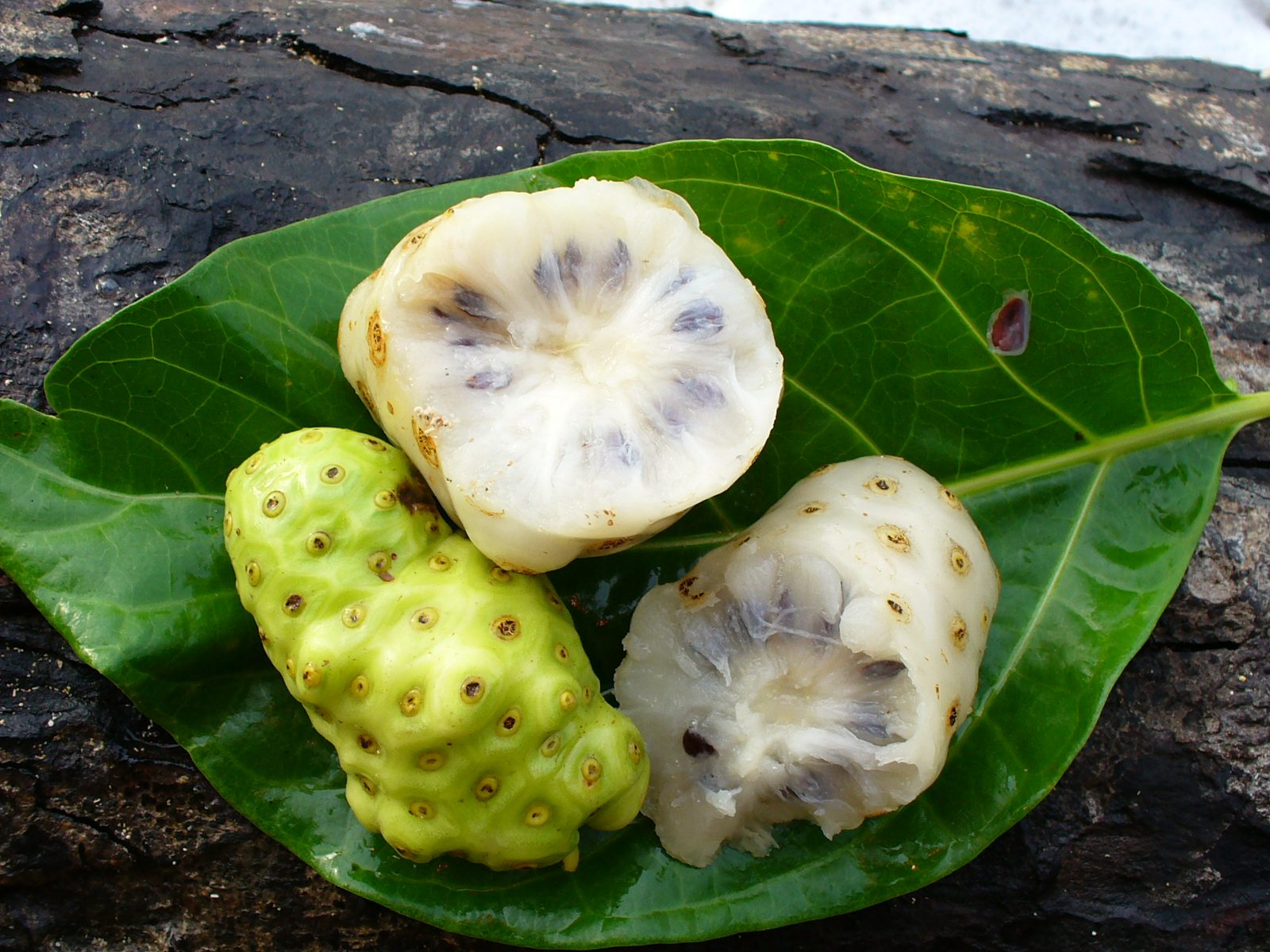
One of the native resources you’ll find on St. John is the noni fruit. Noni contains antioxidants which improve the elasticity of skin, improves digestion and treats nausea and intestinal worms. It is also believed to improve the immune system by stimulating white blood cells and cell regeneration.
The leaves of the silk cotton tree, also known as the jumbie tree, are used in baths to relieve pain and as a compress for insect bites. Leaf tea is known to relieve upset stomach, sore throat and asthma. West Indian Mahogany bark is taken orally to relieve fever, upset stomach and toothaches. Teas are ingested to improve vitality due to the tree’s vitamin and iron content. A compress of young tamarind tree leaves is used for sprains and eye infections. A decoction made from tamarind fruit has been used to treat malarial fever, asthma, throat infections, coughing. Tamarind leaf extracts have also exhibited antioxidant activity in the liver.
Diluted papaya juice aids digestion, and a slice of fruit placed on ringworm or chigger bites will make them disappear. Papaya seeds are good for ridding the body of worms. Powdered resin from the seed pod of the West Indian Locust (Stinking Toe Tree) promotes healing for wounds, ulcers, muscle cramps and arthritis. The locust tree’s bark and leaves are rich in tannin which exhibits antibacterial properties.
Soursop contains antimicrobial ingredients which fights fungal infections, bacterial infections and intestinal parasites. Soursop has also been used to lower blood pressure and treat depression. Leaves from the Sandbox (Monkey No Climb Tree) are pressed and mixed with salt, then used as a poultice on boils and swellings as well as placed on the temples to alleviate headache.
One of the most diverse sources is the Bay Rum Tree which is used for medicinal, aromatic, cosmetic and culinary purposes. Leaves placed over the body or under the covers relieves chills and tea corrects digestion. Bay rum leaves can also be rubbed on skin irritations or as an analgesic rub.
Many people enjoy the high carbohydrate fruit of a genip tree. Powdered roasted genip seed syrup or tea is also taken for coughs, fever, thrush, and tonsillitis.
Many islanders continue to refer to bush doctors to cure their ailments. Cures have often blended the sacred with the secular, in which “patients” are often required to be one with nature to find spiritual well-being.
Note: Always consult with a qualified health practitioner before deciding on any course of treatment.