
Unveiling Annaberg Plantation’s Past
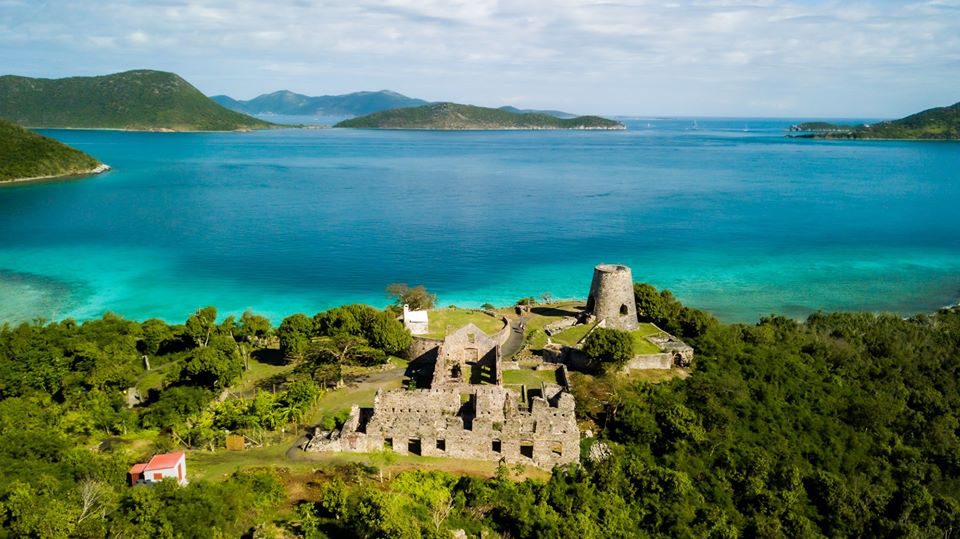
Nestled within the pristine landscapes along the North Shore of St. John lies the Annaberg Plantation, a tribute to a bygone era. This historic site unveils a compelling history closely intertwined with the colonial era, the institution of slavery, and the cultivation of valuable crops, offering a glimpse into the island’s heritage.
The plantation’s story began when it was founded around 1718 by the Danish West India and Guinea Company. As the European powers vied for control in the Caribbean, St. John became a focal point of their attention. The name “Annaberg” is believed to have been derived from “Anna’s Hill,” an homage to Queen Anne of Denmark and Norway.
Sugar cane was the primary crop, with the plantation using windmills and animal power to crush the cane and extract juice. This juice was then processed into sugar and molasses. These products were exported to Europe and other international markets.
Like many plantations of its time, Annaberg was heavily reliant on enslaved labor for its operations. Enslaved Africans that were forcibly brought to the plantation were subjected to deplorable conditions. The abolition of slavery in the Danish West Indies in 1848 heralded significant changes as the diminishing profitability of sugar production waned. The plantation eventually fell into disrepair and was left to the elements.
Annaberg Plantation was given new life in the mid-20th century when it was acquired by the Virgin Islands National Park. The Park Service recognized the historical and cultural significance of the site and embarked on a mission to preserve the remaining structures, allowing visitors to experience the island’s colonial past firsthand. Today, visitors can wander among the weathered ruins of the sugar mill, windmill and living quarters as a living museum. Educational resources on site allow self-guided tourists a glimpse into the plantation’s complex history.