
Do Not Touch Our Dear Friend, the Sea Turtle
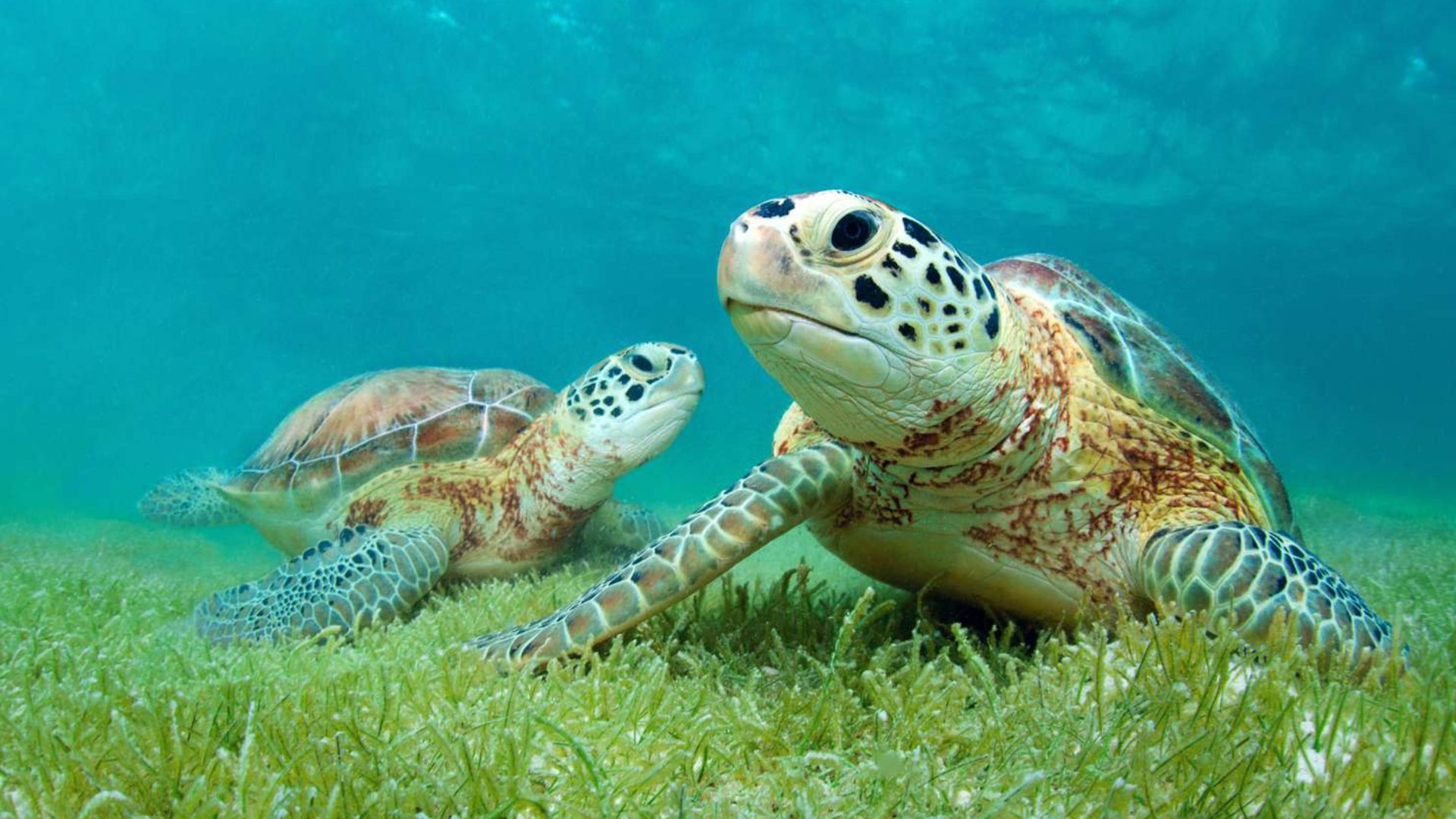
The U.S. Virgin Islands are home to several species of sea turtles, which play a critical role in maintaining healthy marine ecosystems. The waters around St. John provide vital nesting and foraging habitats for these endangered and threatened species. The most commonly found sea turtles in the Virgin Islands are:
1. Leatherback Sea Turtle
• Status: Endangered
• Description: The leatherback is the largest of all sea turtles and can grow to over 6 feet long and weigh more than 2,000 pounds. Unlike other sea turtles, leatherbacks lack a hard shell and instead have a flexible, leathery exterior. They are known for their long migrations, often traveling thousands of miles between nesting sites and foraging areas.
• Habitat: Leatherbacks are mostly found in deeper waters, but they also forage along the coastlines of the Virgin Islands and nesting on our beaches.
2. Green Sea Turtle
• Status: Endangered
• Description: The green sea turtle is named for the color of its fat rather than its shell, which is usually olive to brown. Adult green sea turtles primarily feed on seagrass and algae, which give them their greenish hue.
• Habitat: Green sea turtles are often spotted in the mangroves, seagrass beds and coral reefs. They also nest on the beaches of St. John.
3. Hawksbill Sea Turtle
• Status: Critically Endangered
• Description: The hawksbill is known for its sharp, pointed beak and beautifully patterned shell. It’s a smaller sea turtle compared to others and is famous for its ability to feed on sponges found in coral reefs, helping maintain the health of coral ecosystems by controlling sponge populations.
• Habitat: Hawksbill sea turtles are commonly seen in the coral reefs and are frequent nesters on our beaches.
4. Loggerhead Sea Turtle
• Status: Threatened
• Description: Loggerhead sea turtles are known for their large heads and strong jaws, which help them crush hard-shelled prey like conchs and crabs. While not as common, loggerheads can still be found in the waters around the island.
• Habitat: Loggerheads primarily forage in deeper waters, but their nesting sites are also occasionally found in the Virgin Islands.
Key Conservation Efforts in the Virgin Islands:
• Nesting Sites Protection: The Virgin Islands have implemented various conservation programs to protect sea turtle nesting sites. Local authorities and organizations monitor nesting beaches to prevent disturbances, especially during the sensitive nesting season.
• Hatchling Protection: Volunteers often assist in the safe release of hatchlings into the sea to improve their chances of survival.
• Marine Protected Areas (MPAs): The U.S. Virgin Islands has several MPAs which provide safe habitats for sea turtles to forage and breed.
• Public Awareness: Conservation organizations work to educate the public about the importance of sea turtles, encouraging responsible behaviors such as avoiding disturbing turtles during nesting and reducing the use of plastic, which can harm sea turtles.
What You Can Do to Help:
• Observe from a distance: If you encounter a sea turtle, admire them from afar without approaching or touching.
• Avoid bright lights: Nesting turtles can be disoriented by bright lights, so use red lights when walking near nesting beaches at night.
• Do not drive on beaches or anywhere near a sea turtle nest.
Remember, the best way to protect sea turtles is to observe them with respect and care, allowing them to continue their ancient journey through our oceans.
*Anyone caught touching or disturbing a turtle will be subject to fines up to $5,000 and imprisonment for up to 6 months.