
Snorkeling St. John
Surrounded by protected waters, thriving coral reefs and abundant marine life, St. John, USVI offers some of the best snorkeling and diving experiences in the Caribbean.
Beneath the Surface: St. John Snorkeling and Diving
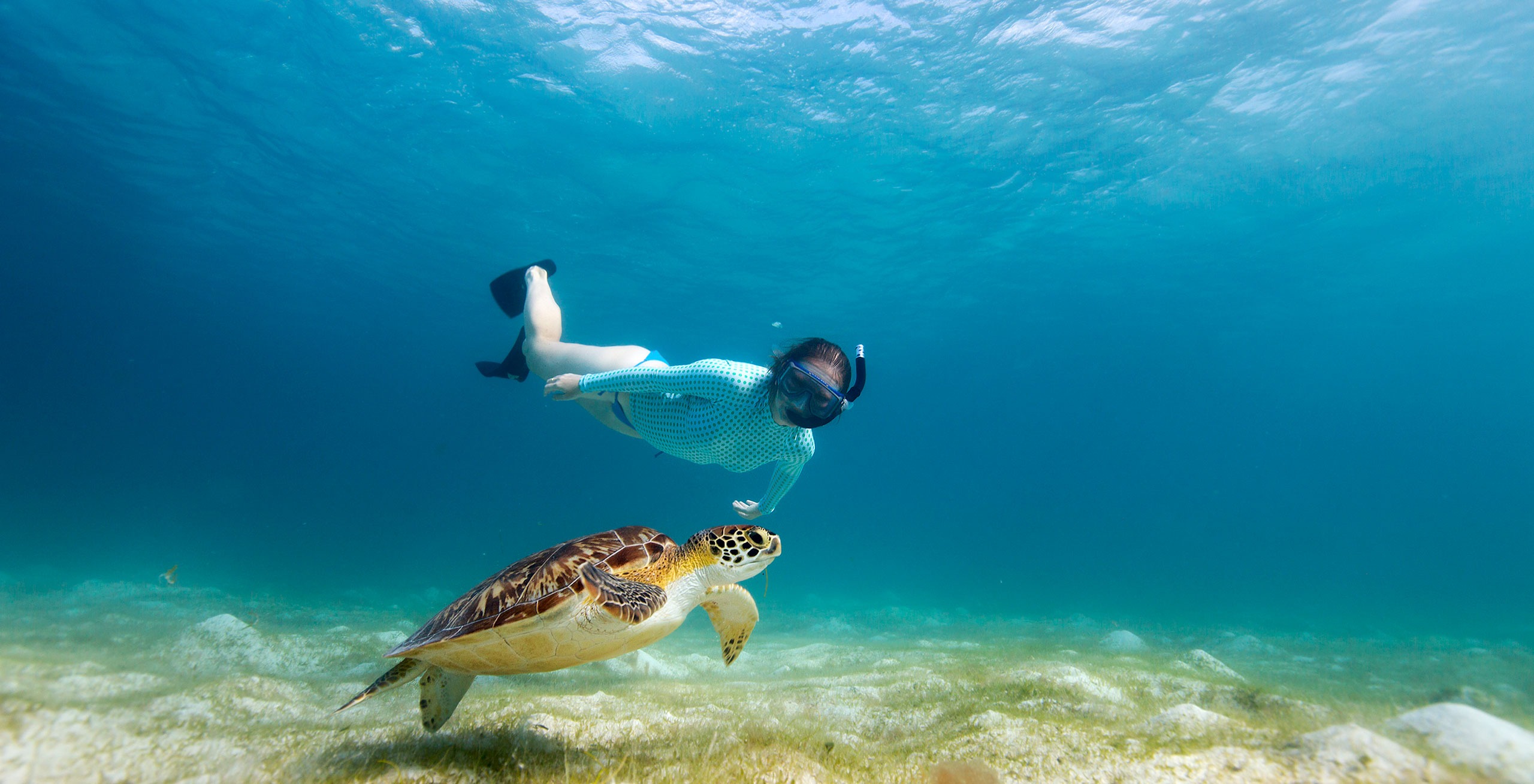
Surrounded by protected waters, thriving coral reefs and abundant marine life, St. John offers some of the best snorkeling and diving experiences in the Caribbean. Whether you’re a first-time snorkeler floating above a shallow reef or an experienced diver descending into deeper waters, the island provides unforgettable opportunities to explore an underwater world teeming with life.
The best part? Many of St. John’s most spectacular snorkeling spots are accessible directly from the beach, making it easy for visitors of all ages and skill levels to experience the magic.
Why St. John is a Snorkeling and Diving Paradise
One of the reasons St. John snorkeling stands apart from many Caribbean destinations is its commitment to conservation. Nearly two-thirds of the island is protected by Virgin Islands National Park, while large portions of the surrounding waters are safeguarded as part of Virgin Islands Coral Reef National Monument.
These protected areas help preserve the vibrant marine ecosystems that make snorkeling and diving here so exceptional. On any given day, you may encounter sea turtles, southern stingrays, eagle rays, octopus, squid, nurse sharks, colorful reef fish, and even the occasional dolphin or whale during migration season.
Snorkeling for Beginners and Families
One of the greatest advantages of snorkeling on St. John is how accessible it is. You don’t need specialized training, expensive equipment, or a boat excursion to enjoy incredible underwater scenery. Simply grab a mask and snorkel, and you’re ready to explore.
Trunk Bay
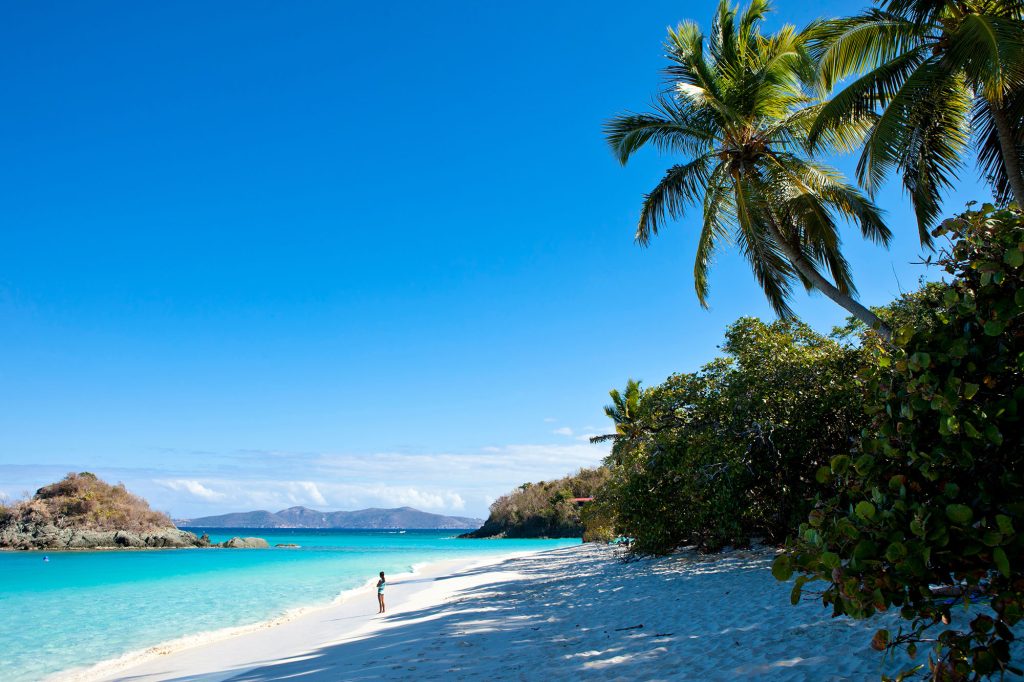
Often ranked among the world’s most beautiful beaches, Trunk Bay is famous for its underwater snorkeling trail. Underwater plaques identify coral formations and marine life, making it an excellent choice for beginners and families. The calm, clear water and easy beach access create ideal conditions for those new to snorkeling.
Maho Bay
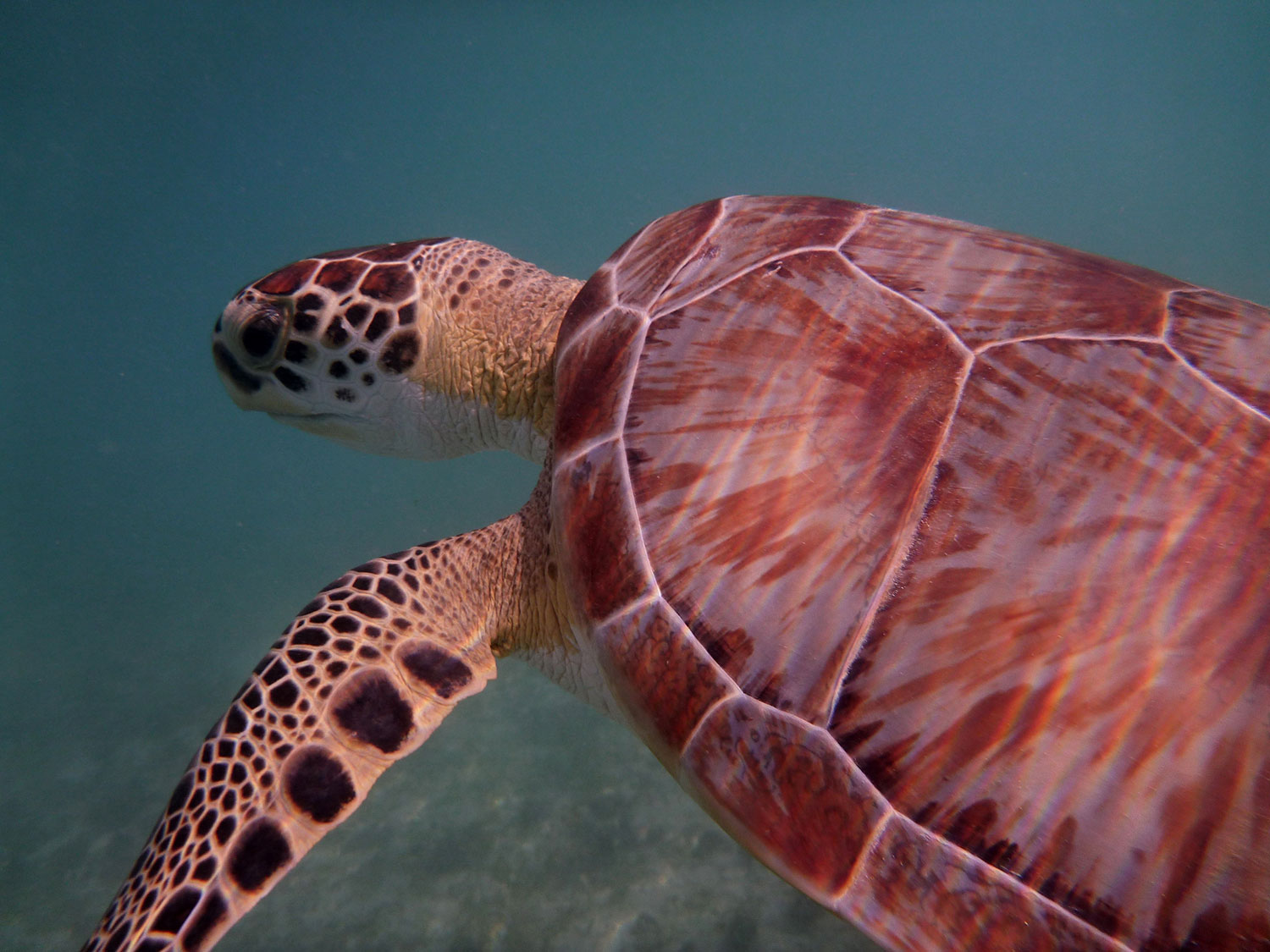
Maho Bay has earned a reputation as one of the best places in the Caribbean to spot sea turtles. The bay’s extensive seagrass beds provide an important feeding ground for sea turtles, which can often be seen grazing peacefully in shallow water. Southern stingrays are also common visitors. Because the water is generally calm and shallow, Maho Bay is especially popular with families and novice snorkelers.
Hawksnest
Located just minutes from Cruz Bay, Hawksnest offers easy access and healthy reef structures near shore. The protected coves make it a great option for those looking for a relaxed snorkeling experience without venturing too far from town.
Favorites for Experienced Snorkelers
Waterlemon Cay
Ask seasoned St. John visitors about their favorite snorkeling spot, and many will immediately mention Waterlemon Cay. Located near Leinster Bay, this offshore cay requires a short hike followed by a swim, but the effort is well worth it. Snorkelers often encounter sea turtles, rays, schools of tropical fish, and impressive coral formations.
Salt Pond Bay
Located on the quieter South Shore, Salt Pond Bay offers excellent snorkeling and fewer crowds. Rocky outcroppings and reef systems provide habitat for a variety of marine life, as well as seagrass beds known for attracting turtles.
Haulover Bay
Haulover is a favorite among underwater photographers and experienced snorkelers. The rocky shoreline and deeper water often attract unique marine species not commonly seen elsewhere. Note, water is accessible from both sides of the road: Haulover South and Haulover North, offering completely different snorkeling experiences. The East End location tends to draw fewer visitors, creating a more secluded experience.
Diving Beyond the Reef
While snorkeling introduces visitors to St. John’s shallow-water ecosystems, scuba diving unlocks an entirely different world. Certified divers can explore dramatic underwater landscapes, deeper coral reefs, and fascinating marine habitats inaccessible from shore.
The waters surrounding St. John feature excellent visibility year-round, warm temperatures, and diverse dive sites suitable for various experience levels.
Popular Dive Experiences
Many dive sites feature impressive coral-covered ledges that descend into deeper water. These underwater formations create habitats for countless species of fish, crustaceans and invertebrates. Divers frequently encounter angelfish, parrotfish, trumpetfish, barracuda, and large schools of reef fish moving through the coral gardens.
Wreck Diving
Several nearby wreck sites provide unique opportunities to explore artificial reefs that have become thriving marine ecosystems. These structures attract diverse marine life and offer an exciting experience for divers interested in both history and underwater exploration.
Night Diving
For adventurous divers, night dives reveal an entirely different side of the reef. As daylight fades, nocturnal creatures emerge. Octopus hunt across the reef, lobsters venture from crevices, and coral polyps extend their feeding tentacles into the current. Many experienced divers consider night diving one of the most memorable experiences available around St. John.
Marine Life Encounters
One of the biggest thrills of diving and snorkeling on St. John is the possibility of close encounters with marine wildlife. Sea turtles are perhaps the island’s most beloved underwater residents. Watching a turtle glide effortlessly through the water often becomes a highlight of any vacation.
Protecting the Reef
The reefs surrounding St. John are beautiful but fragile. Visitors play an important role in protecting these ecosystems for future generations.
A few simple guidelines can make a significant difference:
- Never touch coral.
- Never stand on reef structures.
- Maintain a respectful distance from wildlife.
- Use reef-safe sunscreen.
- Never feed marine animals.
Tips for the Best Experience
To maximize your underwater adventures, consider these local tips:
- Snorkel early in the morning when water conditions are often calmest.
- Check wind conditions before choosing a beach.
- Use a flotation device if you’re not a confident swimmer.
- Stay hydrated between snorkeling sessions.
- Explore multiple beaches to experience different reef environments.
Most importantly, take your time. The reef rewards patience. Float quietly, observe carefully, and you’ll often notice marine life that hurried snorkelers miss.