
History & Culture
Beyond the postcard-perfect scenery lies a fascinating history and vibrant culture that tells the story of the people who shaped this remarkable Caribbean island.
St. John, USVI History & Culture
Most visitors arrive on St. John expecting spectacular beaches and unforgettable views. And the island certainly delivers. But beyond the postcard-perfect scenery lies a fascinating history and vibrant culture that tells the story of the people who shaped this remarkable Caribbean destination.
For travelers willing to venture beyond the sand, St. John offers a deeper experience—one that connects visitors to centuries of Indigenous heritage, plantation history, cultural traditions, and the resilient spirit of the island’s people.
Whether you’re a first-time visitor or a longtime St. John enthusiast, exploring the island’s historical and cultural treasures can add a whole new dimension to your vacation.
The First People of St. John
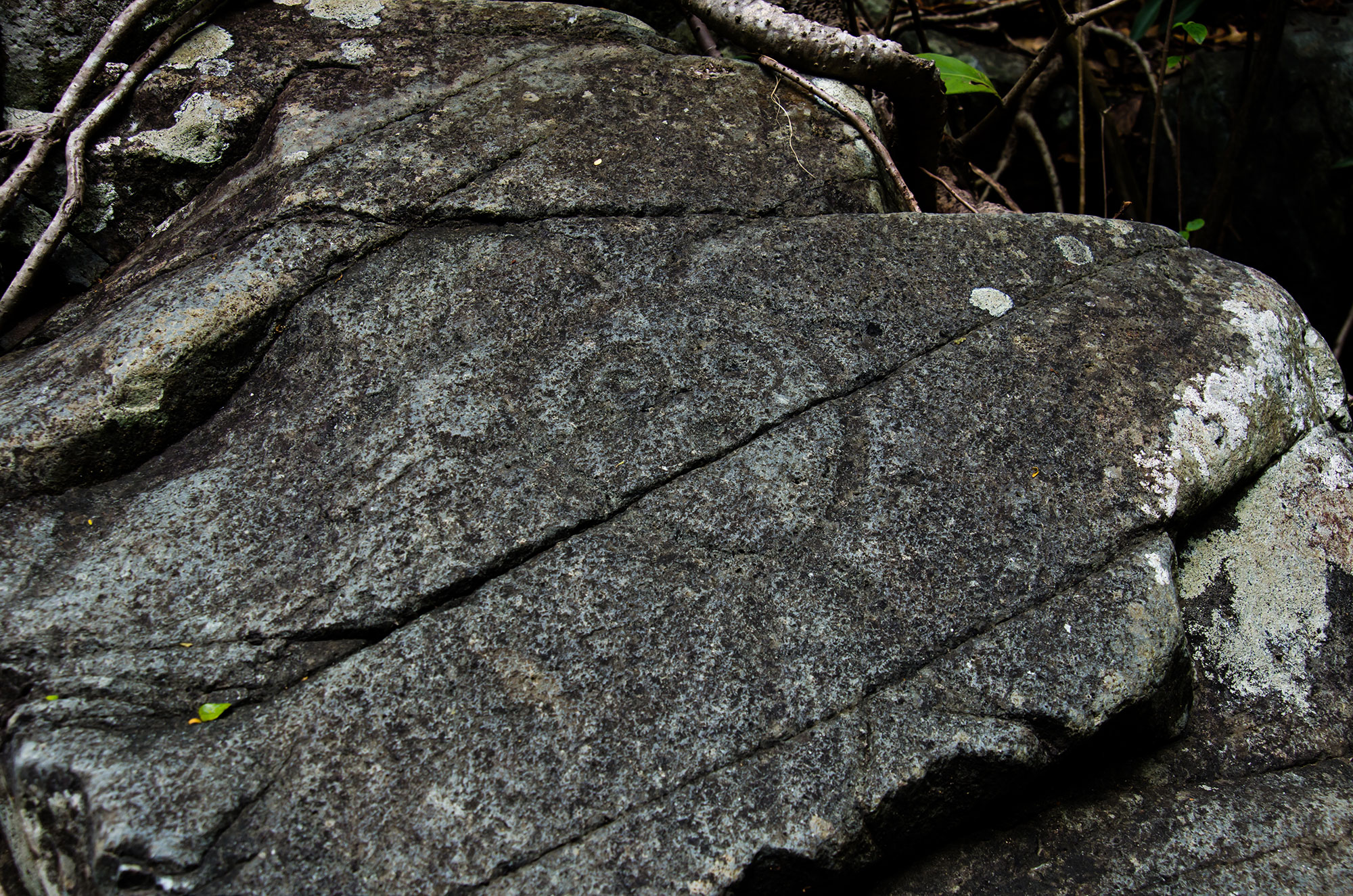
Long before European ships arrived in the Caribbean, St. John was inhabited by Indigenous peoples who lived off the island’s rich natural resources. The Taíno people established communities throughout the Virgin Islands, fishing, farming and trading with neighboring islands.
One of the most fascinating reminders of this era can be found along the Reef Bay Trail. Hidden within the lush forest are ancient petroglyphs carved into rock by the Taíno centuries ago. These mysterious faces and symbols provide a rare glimpse into the island’s earliest known culture and offer visitors a chance to connect with St. John’s distant past.
The hike itself is one of the island’s most rewarding experiences, combining natural beauty, history, and archaeology in a single adventure.
The Plantation Era
The history of St. John changed dramatically after Danish colonization began in the early 1700s. Recognizing the island’s agricultural potential, the Danish established sugar plantations throughout St. John.
To support the labor-intensive sugar industry, enslaved Africans were brought to the island and forced to work under harsh and often brutal conditions. Their labor helped build the plantations, roads and infrastructure that shaped much of the island’s early development.
Today, visitors can explore several plantation sites that offer important insights into this period of history.
Annaberg Sugar Plantation
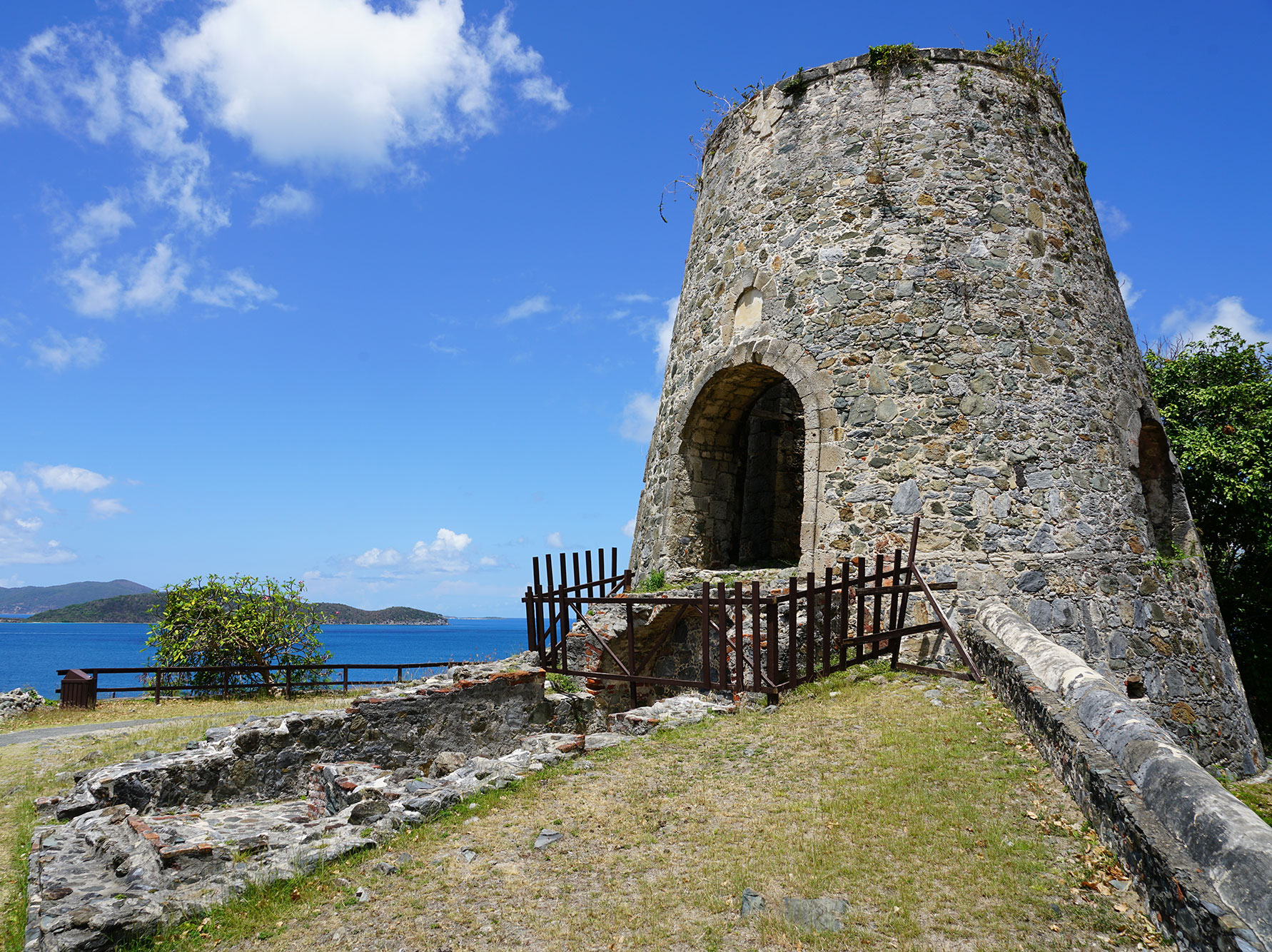
Perhaps the most visited historical site on St. John, Annaberg Sugar Plantation offers one of the best-preserved examples of an 18th-century sugar estate in the Caribbean.
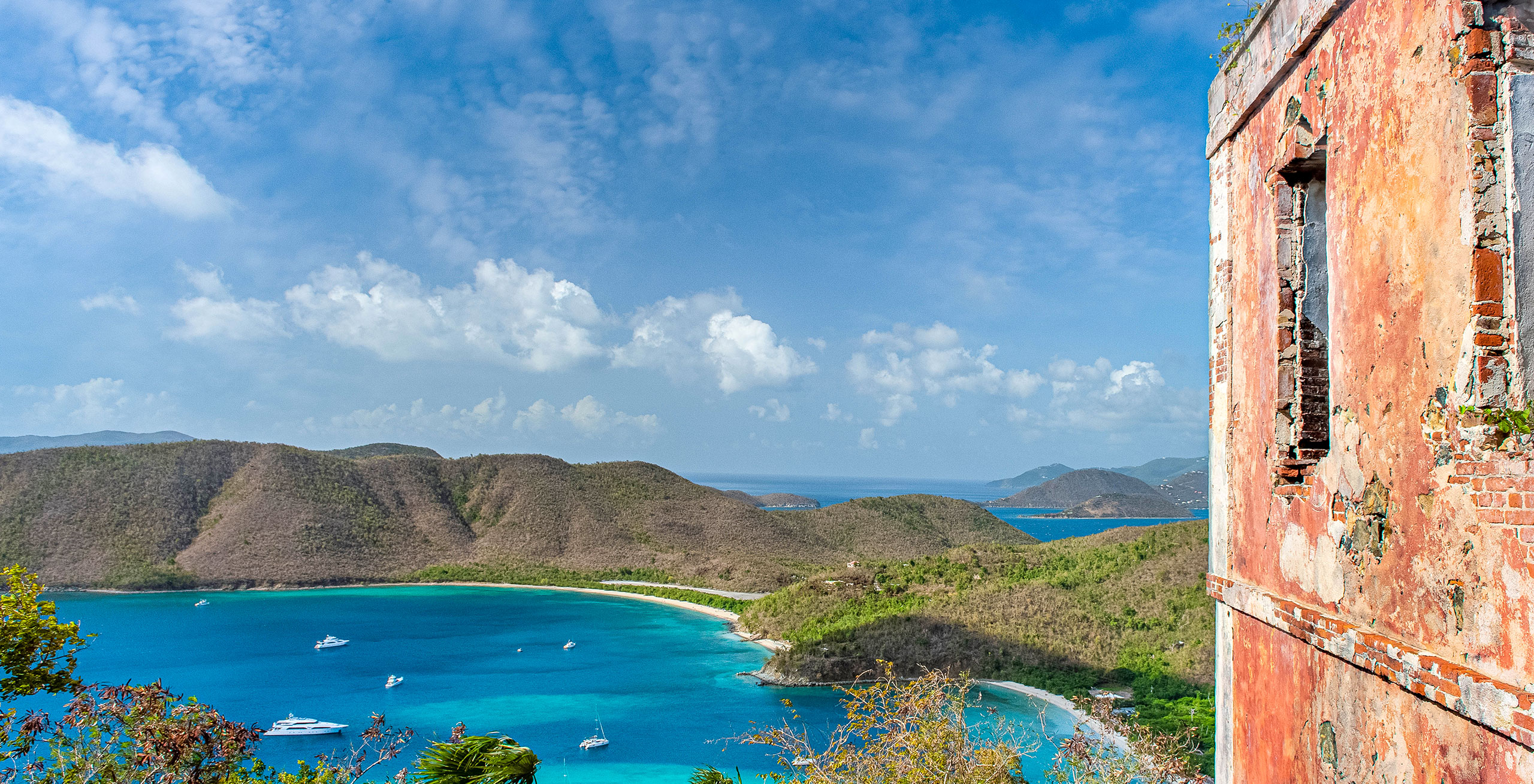
Perched above Leinster Bay with breathtaking views of the British Virgin Islands, Annaberg allows visitors to walk among the remains of the sugar mill, windmill tower, factory ruins, slave quarters and bake oven.
Interpretive signs throughout the site explain how sugar was produced and tell the stories of the enslaved Africans whose labor sustained the plantation. Demonstrations are occasionally offered that showcase traditional crafts and cooking techniques. The site serves as both a beautiful viewpoint and an important educational experience.
Catherineberg Sugar Mill Ruins
Nestled high in the hills above Cinnamon Bay, the Catherineberg ruins feature one of the most iconic windmills in the Virgin Islands. The towering stone structure remains remarkably intact and offers visitors a glimpse into the engineering that powered the island’s sugar industry.
Surrounded by tropical vegetation and panoramic views, Catherineberg is a favorite stop for photographers and history enthusiasts alike.
Reef Bay Sugar Mill
For those seeking a more immersive historical experience, the Reef Bay Trail leads hikers through the remains of a former sugar plantation deep within Virgin Islands National Park.
Along the trail, visitors encounter stone ruins, old factory remains and evidence of the island’s agricultural past, all set against a backdrop of lush forest and ocean views. The combination of history and natural beauty makes this one of St. John’s most memorable excursions. We recommend booking a guided hike offered seasonally with a Virgin Island’s National Park Ranger, complete with round trip transportation from the trail head back to the Visitor’s Center. Not only will you enjoy insight the Rangers can impart, but also the relaxing boat ride back after a lengthy hike.
A Legacy of Courage
One of the most significant events in Caribbean history occurred on St. John in 1733 when enslaved Africans staged a major uprising against Danish colonial rule.
The rebellion, one of the earliest and most successful slave revolts in the Americas, lasted several months and remains a powerful symbol of resistance and the pursuit of freedom. Understanding this chapter of St. John’s history helps visitors appreciate the resilience and strength that continue to shape the cultural identity of the Virgin Islands today.
Cultural Sites Worth Exploring
Beyond the plantation ruins, several locations offer valuable insights into the island’s culture and heritage.
Cruz Bay
The island’s main town serves as both a transportation hub and cultural center. The town’s colorful architecture, lively waterfront, and welcoming atmosphere reflect the unique blend of Caribbean and American influences that define St. John.
The Elaine Sprauve Library and Museum, when open, is a historic building that offers exhibits and information about the island’s past, including photographs, artifacts, and historical records that help tell the story of St. John’s development through the centuries.
The Nazareth Evangelical Lutheran Church, established in 1720, is one of the oldest Lutheran congregations in the Western Hemisphere. Its history is deeply intertwined with the Danish colonization of the Caribbean.
Local Markets and Festivals
One of the best ways to experience local culture is through community events and gatherings. Throughout the year, visitors can enjoy live music, local food, arts and crafts, and cultural celebrations that showcase the traditions of the Virgin Islands.
If your visit coincides with St. John Celebration in June and July, you’ll experience one of the island’s most vibrant annual festivals. The celebration features parades, music, food vendors, pageants, boat races and cultural performances that bring together residents and visitors alike.
The Importance of Virgin Islands National Park
In 1956, conservationist Laurance Rockefeller helped establish Virgin Islands National Park, preserving much of St. John’s natural and historical landscape.
Today, nearly two-thirds of the island is protected, ensuring that future generations can continue to enjoy its beaches, forests, archaeological sites and plantation ruins. The park serves as a living museum where visitors can experience both the island’s natural beauty and its cultural heritage. Many historical sites are located within park boundaries, making it easy to combine sightseeing with outdoor adventure.
Experience the Island Through Its Food
St. John’s culinary traditions reflect African, European and Caribbean influences that have blended together over generations. Be sure to try local favorites such as johnny cakes, conch fritters, fresh seafood, callaloo, pates, and rice and peas. Local restaurants often incorporate traditional ingredients and recipes while adding contemporary Caribbean flair. For a truly authentic experience, seek out locally owned establishments where recipes and cooking traditions have been passed down through generations.
More Than a Beautiful Island
St. John is far more than its stunning beaches and turquoise water.
It is an island shaped by Indigenous traditions, colonial history, resilience, preservation, and a deep sense of community. Its plantation ruins tell stories of hardship and perseverance. Its cultural celebrations honor generations of heritage and its people continue to preserve the traditions that make St. John unique.
As you explore the island, take time to look beyond the shoreline. You may discover that the island’s greatest treasure isn’t found on the beach at all—it’s found in the stories, culture and history that make St. John unlike anywhere else in the Caribbean.