

The Roots of Caribbean Cuisine
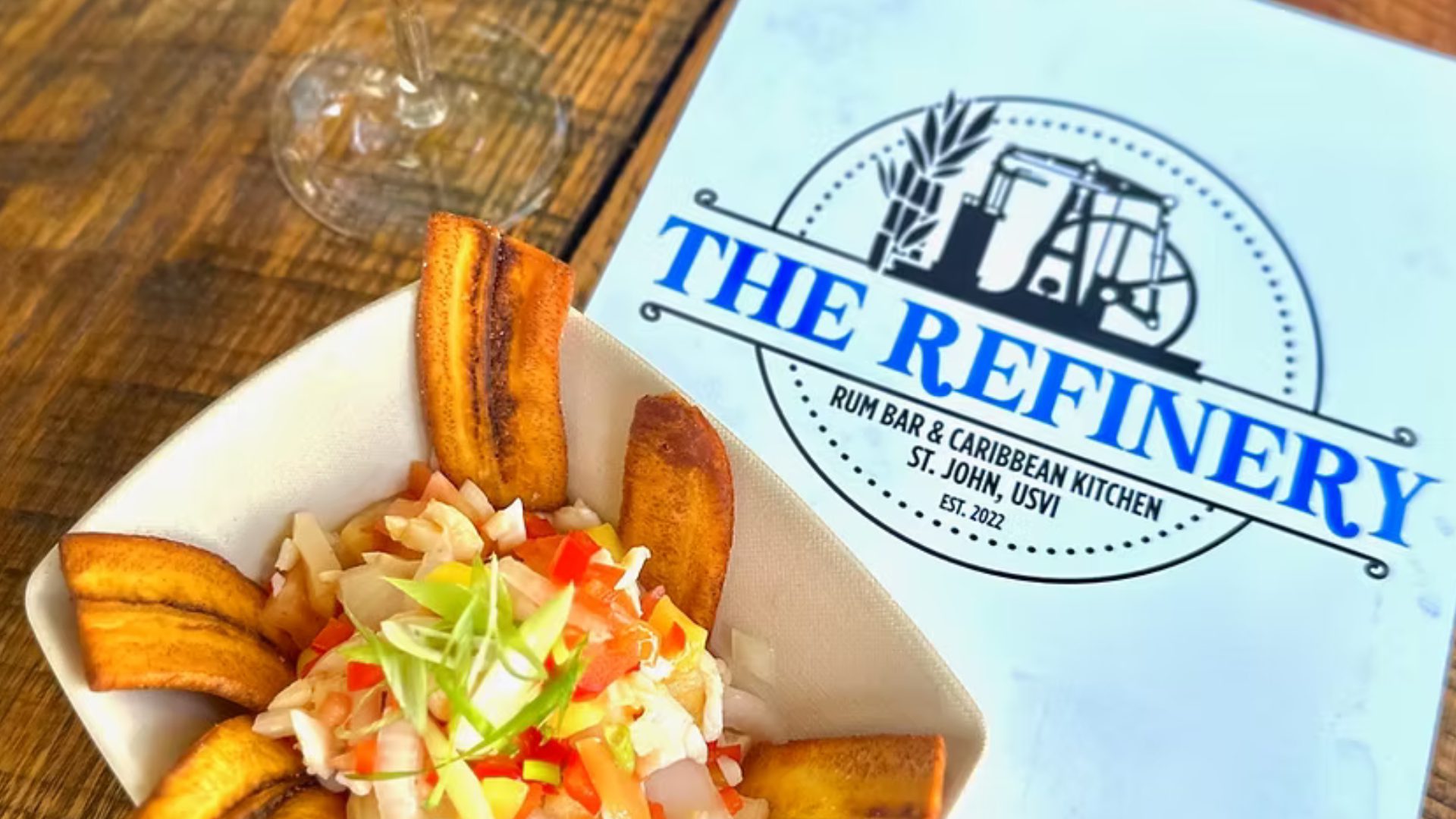
To understand Caribbean cuisine is to understand centuries of survival, adaptation and creativity. The food is as rich and layered as the region’s history. Every bite carries the imprint of indigenous roots, colonial influences, forced migrations and cultural resilience. Here’s a look at how the Caribbean’s diverse culinary identity came to be.
Indigenous Foundations
Long before European contact, the Taíno, Arawak, and Carib peoples cultivated the land and shaped the region’s first foodways. They introduced staples like cassava, corn, sweet potatoes, peppers, and seafood as well as cooking techniques like smoking and barbecuing (from the Taíno word barbacoa).
European Colonization and Forced Change
The arrival of the Spanish, French, Dutch and British drastically altered the region’s food systems. Colonizers introduced cattle, pigs, goats, sugarcane, citrus and wheat. They also established plantation economies that would change the Caribbean forever and not by choice.
The African Influence
Millions of Africans were forcibly brought to the Caribbean through the transatlantic slave trade. With them came cooking knowledge, agricultural expertise and ingredients like okra, yams, black-eyed peas and kallaloo. Their culinary traditions endured, blending with local ingredients in dishes like jerk, pepper pot, and rice and peas.
Indian and Chinese Contributions
After the abolition of slavery, indentured laborers from India and China arrived to work on plantations. They brought spices, curry techniques, roti and stir-fry methods, which have become staples in many Caribbean kitchens.
Creolization and Fusion
Over time, these influences didn’t just coexist, they fused. Caribbean food is a creole cuisine, constantly evolving, often improvisational, and always deeply tied to community and story. Dishes vary island to island but they share a spirit of resilience and joy.